Introduction
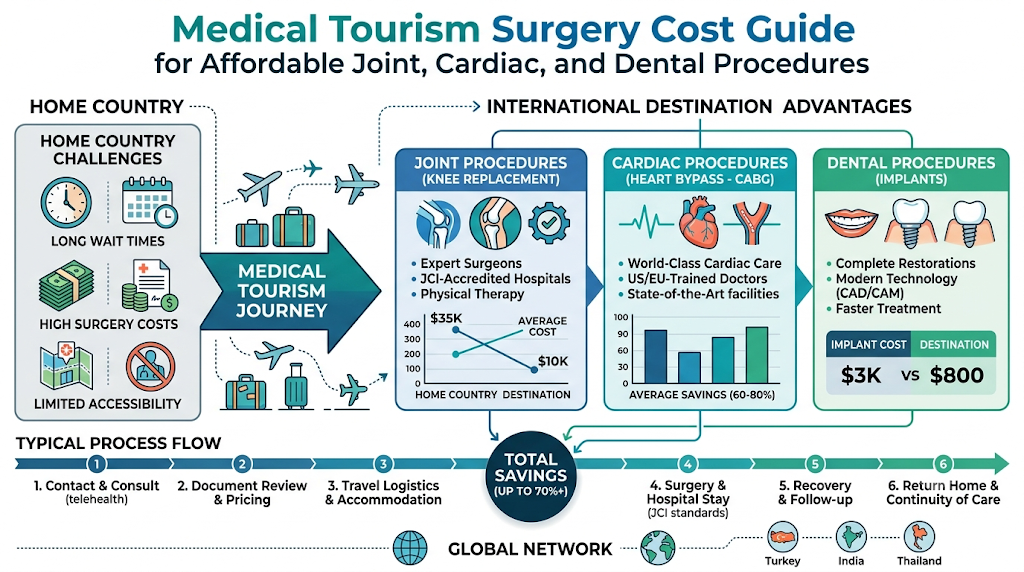
Rising healthcare costs worldwide have made essential medical procedures financially out of reach for millions of everyday people. Facing months-long waiting lists under public systems or astronomical out-of-pocket bills under private health insurance, patients look for smarter alternatives. This financial pressure has driven the massive growth of global medical tourism, turning cross-border medical care from a niche luxury into a mainstream necessity for affordable healthcare. When exploring care overseas, establishing clear surgery cost transparency is the most critical hurdle patients face. Comparing complex hospital fee structures across different countries, currencies, and healthcare systems can feel overwhelming. Without a centralized way to break down fees, international patients run the risk of running into unexpected costs, mismanaged travel logistics, or mismatched quality standards. This is exactly where SurgeryPlanet steps in to help. By gathering clear pricing, certified provider networks, and all-inclusive medical travel data into one accessible space, the platform empowers patients to navigate international medical systems with ease, safety, and absolute clarity.
Featured Snippet
What Is SurgeryPlanet?
SurgeryPlanet is a premier global medical tourism platform and healthcare facilitator that connects international patients with high-quality, affordable surgical care worldwide. The platform provides transparent surgery cost comparisons, links patients to JCI-accredited hospitals, offers comprehensive treatment packages, and delivers personalized medical travel planning to ensure safe, well-coordinated overseas healthcare journeys.
Understanding Medical Tourism
What Is Medical Tourism?
Medical tourism is the practice of traveling outside one’s home country to receive specialized medical, dental, or surgical care. Once viewed primarily as travel for cosmetic modifications or low-cost dental care, modern medical travel includes complex, life-saving specialties. Today, international patients regularly travel across borders for open-heart surgeries, total joint replacements, advanced cancer therapies, and highly specialized fertility treatments.
Why Patients Travel Abroad for Surgery
The primary driving force behind medical travel is economic relief, but it is rarely the only factor. Many patients live in countries where public healthcare systems suffer from severe supply backlogs, leaving them in debilitating pain for months or years waiting for routine procedures like hip or knee reconstructions. Others travel because specific innovative therapies, specialized devices, or advanced reproductive technologies are approved and readily accessible abroad long before they receive local regulatory clearance.
Growth of International Healthcare
Global healthcare systems have experienced a massive wave of modernization over the past two decades. Governments and private hospital networks worldwide have invested billions of dollars into building state-of-the-art medical cities, acquiring cutting-edge robotic surgical tools, and sending medical staff to train at premier institutions in the US and Europe. This widespread elevation of clinical infrastructure has created a highly competitive global marketplace, driving up care quality while keeping patient costs manageable.
Benefits and Risks of Medical Tourism
| Local Treatment | Medical Tourism |
| High Cost: Extreme financial strain, high deductibles, or completely un-covered out-of-pocket procedures. | Significant Savings: Cost reductions ranging from 40% to 80% depending on the country and procedure. |
| Long Waiting Times: Months or years of waiting for elective or non-emergency surgeries through public systems. | Immediate Access: Rapid scheduling, prompt diagnostic validation, and timely surgical interventions. |
| Familiar Environment: Full comfort of healing at home with local support networks and immediate family nearby. | Travel Logistics: Requires managing international flights, passport/visa entry papers, and unfamiliar cultural settings. |
| Simpler Follow-Up: Continuity of care with local doctors who are fully familiar with native health protocols. | Coordinated Continuity: Demands structured digital medical record sharing and pre-arranged local follow-up doctors. |
In Simple Terms
Medical tourism means traveling to another country for a medical procedure, usually because the care there is much more affordable, quicker to schedule, or highly advanced compared to what is available at home.
Real-World Example
An uninsured self-employed consultant requires a multi-level spinal fusion. Local clinics quote $55,000, which would require refinancing their home. By researching global alternatives, they find a world-class spine center abroad that delivers the exact same surgery using identical medical implants for $14,000, including travel expenses.
Why It Matters
Understanding both sides of medical tourism helps patients avoid looking only at the lowest price tag. Recognizing travel challenges and the need for continuous follow-up care allows families to build comprehensive safety buffers into their travel plans, ensuring a smooth path to long-term recovery.
Key Takeaways
- Financial savings often range from 40% to 80% without sacrificing clinical quality.
- Travel logistics, language barriers, and follow-up care require organized planning.
- Modern international hospitals feature world-class technologies and Western-trained specialists.
Understanding Surgery Costs Around the World
Why Surgery Costs Vary by Country
The massive difference in surgery costs across borders often sparks skepticism. Patients naturally wonder: If a procedure is 70% cheaper, does that mean the care is lower quality? The answer is no.
The price difference is driven by fundamental economic factors in the host country rather than compromised clinical standards.
- Lower Labor Costs: Wages for nurses, administrative staff, technicians, and support personnel are aligned with local living costs, which are much lower than in Western nations.
- Reduced Operational Overheads: Malpractice insurance premiums for surgeons abroad are a small fraction of the astronomical rates paid in the West. Real estate costs, facility upkeep, and daily administrative utilities are similarly economical.
- Government Support: Many nations designate healthcare travel as a core economic growth driver, offering tax breaks, subsidies, and development grants to international hospitals to keep care highly competitive.
Components of Treatment Costs
A standard hospital bill is rarely a single, flat fee. It is compiled from multiple moving parts that must be clearly itemized during your research:
- Surgeon and Anesthesiologist Fees: The professional compensation for the medical specialists performing the procedure.
- Operating Room and Facility Charges: Hourly billing for the sterile surgical suite, specialized equipment, and supporting clinical staff.
- Implants and Consumables: The direct cost of hardware, such as titanium joints, cardiac stents, specialized mesh, or prescription medications used during surgery.
- Inpatient Room and Nursing Care: The daily rate for a private room, monitoring, meals, and around-the-clock nursing support.
Hidden Expenses Patients Often Miss
When budgeting for a medical journey, looking only at the hospital estimate can leave you short on funds. Patients must budget for outside expenses such as international flights for themselves and a companion, passport and medical visa processing fees, long-term hotel stays during the outpatient recovery phase, daily local transport, and specialized post-operative physical therapy or prescription medications.
Understanding Medical Tourism Packages
To reduce financial uncertainty, top international hospitals create comprehensive medical tourism packages. These bundles group multiple individual services into a single, transparent upfront price.
| Cost Component | Included or Additional |
| Pre-Operative Diagnostics (Blood tests, ECG, Scans) | Included (Typically bundled into standard pre-surgical preparation) |
| Surgeon, Anesthesiologist, and Surgical Assistant Fees | Included (Core element of all standard medical packages) |
| Standard Inpatient Hospital Room Stay (e.g., 3-5 Days) | Included (Fixed number of nights tailored to the procedure) |
| Extended Intensive Care Unit (ICU) Stays | Additional (Charged separately if unexpected complications arise) |
| Post-Discharge Prescription Medications | Additional (Varies based on individual discharge health profiles) |
| Airport Transfers and Local Hotel Shuttles | Included (Offered by dedicated international patient departments) |
In Simple Terms
Surgery is much cheaper in certain countries because their everyday living costs, administrative overhead, and labor wages are lower—not because they cut corners on your health or equipment.
Real-World Example
A patient receives a $12,000 overseas quote for a procedure. Because they used a clear package breakdown, they see the price includes a 4-night hospital stay and airport pick-ups, but excludes a required 10-day post-op hotel stay. This clarity allows them to budget an extra $1,500 for lodging before booking their flights.
Why It Matters
Knowing the difference between bundled package inclusions and out-of-pocket add-ons protects patients from financial surprises. It gives you the power to compare options accurately across different countries, ensuring you compare true total costs rather than incomplete base estimates.
Key Takeaways
- Drastically lower overseas costs stem from lower regional operational overhead and living expenses.
- Always request an itemized cost summary to identify what is excluded from the base quote.
- All-inclusive packages offer predictable budgeting by merging medical and travel logistics.
Knee Replacement Surgery Cost in India
Why India Is Popular for Orthopedic Procedures
India has earned a stellar reputation as a premier destination for complex joint reconstructions. The country features massive, dedicated orthopedic centers that perform thousands of joint replacements every year. Because high surgical volumes naturally lead to refined techniques and lower complication rates, Indian orthopedic surgeons are among the most experienced worldwide. Many have spent years lecturing, training, or practicing in top-tier teaching hospitals in the US and the UK.
Factors Affecting Knee Replacement Costs
The total cost of knee replacement surgery abroad varies based on several key factors:
- Implant Selection: Choosing premium, long-lasting ceramic or high-grade titanium implants from major international manufacturers can change your base price.
- Unilateral vs. Bilateral Surgery: Replacing a single knee versus undergoing a simultaneous double-knee replacement alters your operating times, hospital stays, and implant requirements.
- Surgical Technology: Opting for advanced computer-navigated or robot-assisted joint placements adds a premium to facility fees but often delivers superior structural alignment and faster recovery times.
Hospital Selection Considerations
When researching orthopedic care in India, look past standard marketing materials. Prioritize specialized institutions that maintain dedicated joint replacement wings, feature ultra-clean laminar airflow operating theaters to minimize infection risks, and have comprehensive, on-site physical rehabilitation departments.
Recovery and Rehabilitation Planning
A successful joint replacement relies heavily on early, structured physical therapy. Most international packages include 3 to 5 days of inpatient hospital care, where physical therapists get you standing and moving within 24 hours of surgery. After discharge, patients must stay in a nearby accessible hotel for 10 to 14 days to complete daily outpatient physical therapy sessions and clear their final mobility checks before flying home safely.
[Surgery & Hospital Stay] ---> [Hospital Discharge] ---> [10-14 Days Local Hotel PT] ---> [Final Mobility Clearance] ---> [Safe Flight Home]
In Simple Terms
India offers highly advanced knee replacement surgeries at a fraction of Western costs, led by expert orthopedic surgeons who use identical premium international implants.
Real-World Example
An avid hiker from Canada faces an 18-month waitlist for a total knee replacement while dealing with constant pain. Instead of waiting, they choose a top joint center in Delhi through SurgeryPlanet. They receive a robot-assisted knee replacement using a top-tier US-manufactured implant, spend two weeks in dedicated physical therapy, and return home walking smoothly—all for a total investment of under $8,500.
Why It Matters
Orthopedic travel requires careful planning for post-operative movement and recovery. Knowing how long you need to stay for rehabilitation ensures you won’t book a return flight too early, protecting your new joint and reducing your risk of travel-related deep vein thrombosis (DVT).
Key Takeaways
- Indian orthopedic centers offer world-class joint replacements at savings often exceeding 75%.
- Top-tier international implants and robot-assisted surgical techniques are widely available.
- Budgeting for a 10-to-14-day local recovery phase is critical for proper physical therapy.
Heart Bypass Surgery Cost in Turkey
Why Turkey Attracts International Cardiac Patients
Turkey has emerged as a powerhouse for cardiovascular surgery, drawing thousands of patients each year from Europe, the Middle East, and North America. The country has invested heavily in developing advanced cardiac centers staffed by board-certified thoracic surgeons. Turkey combines highly competitive pricing with immediate access to life-saving treatments, avoiding the lengthy waiting periods that can be dangerous for patients with progressive heart disease.
Understanding CABG Procedure Costs
Coronary Artery Bypass Grafting (CABG) is a highly complex open-heart procedure. In Western private clinics, costs easily exceed $70,000 to $100,000. In Turkey’s leading cardiac facilities, the exact same operation typically ranges between $12,000 and $18,000. This price includes comprehensive pre-surgical heart evaluations, advanced operating room usage, the main surgical team, specialized perfusionists, an extended stay in a dedicated cardiac ICU, and recovery wards.
                       ┌────────────────────────────────────────┐
                       │  Western Private Clinics: $70k - $100k │
                       └────────────────────────────────────────┘
                                           VS
  ┌──────────────────────────────────────────────────────────────────────────────────┐
  │                   Turkish Leading Cardiac Facilities: $12k - $18k                │
  │  (Includes: Pre-op heart evals, OR usage, Surgical team, ICU stay, Recovery)     │
  └──────────────────────────────────────────────────────────────────────────────────┘
Hospital Accreditation and Quality Standards
Because heart surgery leaves no room for error, selecting the right hospital is paramount. Turkey boasts one of the highest numbers of JCI-accredited healthcare facilities in the world. These hospitals follow strict clinical guidelines, maintain low post-operative infection rates, and use advanced diagnostic tools like high-resolution cardiac CT and state-of-the-art intensive care monitoring.
Travel and Recovery Considerations
Cardiac travel requires strict planning and coordination. Patients must arrive several days early for thorough pre-operative evaluations to ensure they are cleared for surgery. Following a successful bypass, patients typically spend 1 to 2 days in the ICU and another 4 to 5 days in a standard hospital room. The surgeon will require the patient to stay locally in Istanbul or Ankara for an additional 10 to 14 days to monitor healing before issuing an official “Fit to Fly” certificate.
In Simple Terms
Turkey provides world-class open-heart bypass surgery in top-tier accredited hospitals for a small fraction of the cost found in Western nations, completely skipping long waitlists.
Real-World Example
A patient without comprehensive health insurance discovers severe coronary artery blockages and needs a 3-vessel bypass. Facing an unaffordable local estimate, they work with SurgeryPlanet to arrange care at a JCI-accredited cardiac hospital in Istanbul. They receive life-saving bypass surgery from an experienced team, recover under close supervision, and return home safely within three weeks for a total cost of $14,500.
Why It Matters
Cardiac surgeries require comprehensive, highly coordinated medical packages. Knowing the required itinerary—including dedicated ICU time and mandatory post-op local monitoring—helps families plan their travels safely and avoid the health risks of premature air travel.
Key Takeaways
- Turkey combines advanced cardiac care with an exceptional concentration of JCI-accredited facilities.
- Heart bypass packages provide immense cost reductions without compromising intensive care safety.
- A mandatory post-op monitoring period of up to two weeks is required before flying home.
Dental Implants Abroad Cost Comparison
Why Patients Travel for Dental Care
Dental care remains one of the largest out-of-pocket healthcare expenses in Western nations, as standard dental insurance often excludes major restorative treatments. Faced with paying thousands of dollars for a single tooth restoration, millions of patients participate in dental tourism. Traveling abroad allows patients to complete extensive dental restorations, such as full-mouth extractions, bone grafting, and advanced All-on-4 or All-on-6 implant bridges, while saving enough to cover their entire vacation.
Comparing Dental Implant Costs Across Countries
Dental implant prices vary substantially based on regional labor rates, overhead costs, and local market competition.
| Country | Relative Cost | Key Advantages |
| United States / UK | Baseline High ($3,000 – $5,000 per implant) | Convenient local care but often financially out of reach for extensive restorations. |
| India | Very Low ($600 – $900 per implant) | Highly economical, features Western-trained dental surgeons and advanced digital clinics. |
| Turkey | Low ($700 – $1,100 per implant) | Excellent Euro-adjacent location, modern dental clinics, and highly popular tourist packages. |
| Thailand | Low-Medium ($900 – $1,400 per implant) | Premier clinical dental facilities, famous hospitality, and world-class dental laboratories. |
Factors Affecting Pricing
Not all dental implants are created equal. Total treatment costs depend heavily on the underlying implant brand used (such as premium, internationally recognized brands like Straumann or Nobel Biocare), the choice of crown material (porcelain-fused-to-metal versus highly durable, translucent zirconia), and whether the patient requires pre-implant procedures like sinus lifts or extensive bone grafting.
Long-Term Treatment Planning
It is important to remember that standard dental implant procedures require a multi-stage approach. The initial visit involves placing the titanium implant post into the jawbone, which requires a healing period of 3 to 6 months for the bone to fuse securely around the post. The patient then returns for a second, shorter visit to attach the final custom-made crown. Patients should look for clinics that offer advanced digital CAD/CAM technology, which can significantly shorten fabrication times during their travel window.
In Simple Terms
Traveling abroad for dental implants allows you to receive identical high-end materials and skilled dental care for a fraction of the price you would pay at home.
Real-World Example
A patient needs a full upper-jaw restoration using an All-on-4 implant bridge, facing local quotes of $24,000. Through SurgeryPlanet, they choose a modern digital dental center in Bangkok. They make two planned trips over six months, receive premium implants, and complete their full restoration for a total cost of $8,500, including all travel and accommodation expenses.
Why It Matters
Recognizing that dental implants typically require a two-stage journey prevents patients from falling for unrealistic “one-day total cure” marketing claims. Planning for two distinct travel phases ensures proper healing, avoids implant failure, and guarantees long-term success.
Key Takeaways
- Overseas dental restorations can lower out-of-pocket bills by up to 70%.
- Premium, internationally warrantied implant brands are standard at top global clinics.
- Full restorations generally require a two-step travel plan to allow the bone to heal safely.
Best Country for IVF Treatment Abroad
Factors to Evaluate
Success Rates
When evaluating international In Vitro Fertilization (IVF) clinics, verified success rates are the most critical metric. Patients must look past general marketing numbers and request age-specific success rates that match their unique profile. Top international fertility centers publish audited data broken down by age group, use of donor eggs, and single-embryo transfer success rates.
Legal Regulations
Fertility laws vary significantly around the world. Countries have different regulations regarding crucial aspects of reproductive medicine, including anonymous or open egg/sperm donation, pre-implantation genetic testing (PGT) for chromosomal health or gender selection, access for LGBTQ+ individuals or single parents, and the legal frameworks surrounding gestational surrogacy.
Cost Considerations
In nations like the US, a single IVF cycle can easily exceed $15,000 to $20,000, excluding expensive fertility medications. Top global destinations—such as Spain, Greece, the Czech Republic, and India—provide advanced reproductive options at a fraction of that cost, allowing couples to afford multiple cycles or advanced genetic testing if needed.
Specialist Expertise
The ultimate success of an IVF journey relies heavily on the clinical skill of the reproductive endocrinologists and the talent of the embryology laboratory team. Leading global fertility clinics feature specialists holding international certifications, operating inside advanced laboratories equipped with time-lapse embryo monitoring incubators and micro-fluidic sperm selection tools.
Patient Support Services
Undergoing fertility treatments is an emotional journey, and doing so in a foreign country adds another layer of complexity. The best international IVF clinics provide dedicated coordinates, on-site translation specialists, clear medication-shipping protocols, and psychological counseling services to support intended parents every step of the way.
      [Verify Success Rates]
                │
                ▼
     [Review Local IVF Laws]
                │
                ▼
   [Compare Multi-Cycle Costs]
                │
                ▼
 [Confirm Lab Tech & Support Services]
In Simple Terms
Finding the best country for IVF means balancing affordable cycle packages, clear regional fertility laws, and modern laboratory technology that fits your specific family-building needs.
Real-World Example
A couple has endured three unsuccessful, high-cost IVF cycles at home, exhaustively draining their savings. They use SurgeryPlanet to research advanced reproductive clinics in Spain known for egg donation success and comprehensive pre-implantation genetic testing (PGT-A). On their first international cycle, backed by advanced embryo selection technology, they achieve a successful pregnancy at half their domestic cost.
Why It Matters
Fertility treatments are highly sensitive to regional legal frameworks and laboratory standards. Evaluating these elements in advance ensures you don’t travel to a country where a specific necessary procedure—such as advanced genetic embryo screening—is legally restricted or unavailable.
Key Takeaways
- IVF costs abroad are significantly lower, allowing couples to afford comprehensive testing or multiple rounds.
- Legal regulations regarding donor use, genetic screening, and patient eligibility vary by country.
- Prioritize clinics that feature advanced, internationally certified embryology laboratories.
Importance of JCI Accredited Hospitals for Surgery Abroad
What Is JCI Accreditation?
Joint Commission International (JCI) is the gold standard for global healthcare accreditation. It is an independent, US-based non-profit organization that evaluates international hospitals against strict, rigorous clinical quality and patient safety metrics. A hospital that earns JCI accreditation has successfully proven that its clinical practices, infrastructure, and management systems meet the exact same demanding standards required of top medical centers in the United States.
Why Accreditation Matters
Accreditation provides an objective, reliable benchmark for international patients. When you travel to an unfamiliar country for major surgery, you cannot rely on local web reviews alone. JCI accreditation tells you that an independent body of medical experts has thoroughly inspected the facility from top to bottom, verifying its clinical safety and operational excellence.
Patient Safety Benefits
JCI-accredited hospitals follow strict safety protocols designed to minimize risk and protect patients:
- Strict Infection Control: Advanced clean-air filtration systems, rigorous sterilization methods, and monitored hygiene practices that minimize hospital-acquired infections.
- Medication Safety Frameworks: Double-check verification systems that ensure patients receive the correct dosages of the right medications at the right times.
- Pre-Surgical Verification: Strict checklist protocols to verify the correct patient, correct procedure, and correct surgical site before any operation begins.
- Continuous Quality Improvement: Ongoing internal audits of surgical outcomes, complication rates, and patient care quality to drive continuous improvement.
Questions Patients Should Ask Hospitals
Before committing to any international medical facility, protect your health by verifying their safety standards with this practical checklist:
- Is your hospital’s JCI accreditation current, and can you provide a direct link to your official JCI profile?
- Does your surgical department maintain a dedicated team for international patient safety and infection control?
- What are your facility’s audited post-operative infection and surgical complication rates for my specific procedure?
- Do you have 24/7 on-site English-speaking doctors and dedicated intensive care specialists available?
- What clear emergency protocols and backup systems are in place if unexpected complications arise during surgery?
In Simple Terms
JCI accreditation is an international stamp of approval confirming that an overseas hospital meets the highest safety, hygiene, and medical standards in the world.
Real-World Example
A patient comparing two international hospitals notes that Clinic A is $1,500 cheaper than Clinic B. However, closer inspection reveals Clinic B holds a current JCI accreditation and operates an infection-controlled surgical wing, while Clinic A only has local regional licensing. The patient chooses Clinic B, prioritizing verified safety standards over minor cost savings.
Why It Matters
Prioritizing accredited facilities significantly reduces the risks of healthcare travel, such as post-operative infections or medical errors. Choosing a JCI-accredited hospital ensures your care is anchored in a globally recognized culture of patient safety and clinical excellence.
Key Takeaways
- JCI accreditation is the premier global benchmark for hospital quality and patient safety.
- Accredited facilities follow strict, audited protocols for infection control and medication safety.
- Always verify a hospital’s current accreditation status rather than relying on promotional claims.
Choosing the Right Surgeon and Hospital
Credentials to Verify
A world-class hospital requires an equally qualified surgeon to ensure a successful outcome. When researching medical specialists abroad, request their full professional CV. Verify their medical licensure with the local ministry of health, confirm their board certifications in their chosen specialty, and check for active memberships in prestigious international societies, such as the American College of Surgeons (ACS) or the International Society of Orthopaedic Surgery (SICOT).
Experience and Specialization
Surgical skill is built on continuous practice and experience. Always ask a prospective surgeon how many times they have performed your specific procedure. A specialist who performs hundreds of total hip replacements or complex cardiac bypasses every year will have sharper instincts and a lower complication rate than a general surgeon who only performs them occasionally.
Patient Reviews and Outcomes
Look for independent reviews, verified video testimonials, and long-term patient case studies outside of the hospital’s main website. Pay close attention to how past international patients describe the surgeon’s bedside manner, the responsiveness of the nursing staff, and the clarity of communication throughout their recovery phase.
Communication and Transparency
A great surgeon values open communication. Before you travel, arrange a detailed video consultation. Use this opportunity to gauge how clearly they explain the procedure, how openly they discuss potential risks, and how comfortable they are answering your questions. If a surgeon or their coordination team hesitates to provide clear answers or transparent pricing, look for another provider.
       [Verify Board Certifications]
                     │
                     ▼
       [Confirm Annual Case Volumes]
                     │
                     ▼
       [Read Independent Patient Reviews]
                     │
                     ▼
 [Assess Clarity via Video Consultation]
In Simple Terms
Choosing the right surgeon means verifying their official medical credentials, confirming they perform your specific surgery regularly, and ensuring they communicate clearly and transparently during video consultations.
Real-World Example
A patient needs a complex revision of a previous hip replacement. They arrange video consultations with two international surgeons. Surgeon A gives brief, vague answers about his experience. Surgeon B provides an itemized medical history, shares his personal success rates for revision surgeries, and clearly explains how he will manage the bone graft. The patient chooses Surgeon B, confident in his transparency and specialized expertise.
Why It Matters
Verifying a surgeon’s specific experience protects you from choosing a provider who lacks the specialized training required for your procedure. Taking the time to confirm these credentials before booking your travel ensures you are placing your health in highly capable hands.
Key Takeaways
- Confirm your surgeon holds recognized national and international specialty board certifications.
- Inquire directly about their annual and lifetime success volumes for your specific procedure.
- Use pre-travel video consultations to evaluate communication, transparency, and comfort levels.
Understanding Medical Tourism Packages
What Is Typically Included?
An all-inclusive medical tourism package is designed to eliminate the logistical stress of traveling abroad for healthcare. These comprehensive bundles combine your core medical care with essential travel services, giving you a clear, single price for your entire journey.
Accommodation and Travel Support
Top-tier packages extend well beyond the hospital walls. They often include pre-arranged stays at partner hotels that feature wheelchair-accessible layouts and customized meal options. They also provide dedicated local transport services, including airport pick-ups, drop-offs, and private shuttles for all your follow-up medical appointments.
Follow-Up Care
A well-designed package includes structured post-operative care. This ensures you receive routine follow-up consultations with your surgical team, required wound dressings, medication adjustments, and diagnostic check-ups while recovering locally at your hotel.
Recovery Planning
The final phase of a high-quality medical package focuses on safe recovery. This includes personalized physical therapy sessions, detailed nutritional support, and an official clinical evaluation to confirm you are fully recovered and safe to fly home.
┌────────────────────────────────────────────────────────────────────────┐
│                        CORE MEDICAL TOURISM PACKAGE                    │
├───────────────────┬─────────────────────┬──────────────────────────────┤
│  Medical Care     │ Travel Support      │ Post-Op Recovery             │
│  • Diagnostics    │ • Accessible Hotel  │ • Follow-up Checks           │
│  • Surgeon Fees   │ • Airport Shuttles  │ • Physical Therapy           │
│  • Room Stay      │ • Local Transport   │ • Fit-to-Fly Clearance       │
└───────────────────┴─────────────────────┴──────────────────────────────┘
In Simple Terms
A medical tourism package combines all your hospital expenses, surgeon fees, hotel stays, and local transportation into a single, pre-planned bundle to make your medical journey as smooth and stress-free as possible.
Real-World Example
A patient travels to Turkey for extensive dental work. Instead of trying to book hotels and navigate local taxis while recovering from oral surgery, they choose an all-inclusive package. A private driver meets them at the airport, takes them directly to a comfortable hotel, and drives them to every clinic appointment, allowing them to focus entirely on healing.
Why It Matters
Choosing a clearly defined package protects you from unexpected out-of-pocket costs during your trip. Knowing exactly what is included—and what isn’t—allows you to travel with peace of mind, confident that your lodging, transport, and recovery needs are fully taken care of.
Key Takeaways
- Comprehensive packages combine all your medical fees and travel logistics into one clear price.
- Many packages include accessible accommodations and dedicated local airport/clinic transport.
- Always confirm your package includes follow-up care and final health clearances before you travel.
How SurgeryPlanet Helps Patients
SurgeryPlanet serves as a trusted global guide, helping patients navigate the complexities of international healthcare with safety, clarity, and personalized support.
- Hospital Discovery: The platform gives patients direct access to an elite network of top-tier, internationally accredited medical institutions worldwide, filtering out low-quality clinics and focusing only on verified facilities.
- Surgeon Research: SurgeryPlanet simplifies your search by profiling highly skilled, board-certified specialists, allowing you to review their professional credentials, case histories, and language proficiencies with ease.
- Cost Comparison: The platform provides transparent, side-by-side cost comparisons across multiple premier destinations, helping families find excellent care that fits their personal budget.
- Treatment Package Evaluation: SurgeryPlanet analyzes treatment packages to show you exactly what is included—such as diagnostic tests, hospital stays, and local transport—so you can avoid hidden fees.
- Personalized Quote Requests: Patients can easily upload their local medical records and imaging files through a secure system to receive customized, all-inclusive pricing quotes from top global hospitals.
- Medical Travel Planning: From coordinating your initial video consultations to arranging local transport and follow-up care, SurgeryPlanet manages your travel logistics to ensure a stress-free healthcare journey.
Comparing Popular Surgery Destinations
Choosing the right destination requires balancing your medical needs, travel budget, and regional specialties.
| Country | Strengths | Common Procedures |
| India | Highly affordable, world-class orthopedic and cardiac facilities, experienced English-speaking doctors. | Total Knee/Hip Replacements, Complex Heart Bypass (CABG), Spine Fusions, Oncology Care. |
| Turkey | High concentration of JCI facilities, Euro-adjacent location, advanced dental and cosmetic centers. | Cardiovascular Surgeries, Advanced Dental Implants, Hair Restorations, Bariatric Procedures. |
| Thailand | Elite hospitality, advanced digital medical clinics, world-renowned diagnostic and restorative care centers. | Advanced Dental Restorations, Complex Cosmetic Surgeries, IVF/Fertility Care, Health Screenings. |
| UAE | State-of-the-art medical cities, highly luxurious care options, globally trained medical specialists. | Specialized Orthopedics, Advanced Ophthalmology, Complex Bariatric Care, Executive Health. |
| Singapore | Exceptional clinical safety, cutting-edge medical technologies, world-leading oncology and neurology centers. | Complex Cancer Therapies, Advanced Neurology, Organ Transplants, Complex Pediatric Surgeries. |
Real-World Patient Scenarios
Orthopedic Surgery Patient
- Challenge: A 62-year-old retired teacher faces severe, bone-on-bone osteoarthritis in both knees. Local surgery quotes reach $38,000, which would exhaust their retirement savings.
- Research Process: Using SurgeryPlanet, they compare verified orthopedic centers across India and Thailand, focusing on facilities that feature advanced robot-assisted surgery.
- Decision Factors: They select a premier JCI-accredited hospital in India that offers an all-inclusive bilateral knee replacement package, premium implants, and 14 days of dedicated post-op physical therapy for $9,000.
- Outcome: The surgery is highly successful. Backed by early physical therapy, they return home walking comfortably and regain full, pain-free mobility within months.
Cardiac Surgery Patient
- Challenge: A 55-year-old small business owner with progressive coronary artery disease needs an urgent heart bypass but faces a long, dangerous 8-month waitlist in their local public health system.
- Research Process: They use SurgeryPlanet to find top-tier international cardiac centers that can schedule the procedure immediately without delay.
- Decision Factors: They choose a leading cardiovascular hospital in Istanbul, Turkey, holding current JCI accreditation and led by an experienced, Western-trained thoracic surgeon.
- Outcome: The patient travels within a week, undergoes a successful 3-vessel bypass surgery, completes their local recovery checks, and returns home safely with a healthy heart for a total cost of $15,000.
IVF Treatment Patient
- Challenge: A couple has spent years trying to conceive and endured multiple failed fertility treatments at home, leaving them financially and emotionally exhausted.
- Research Process: They use SurgeryPlanet to explore advanced international fertility clinics that offer high success rates and comprehensive pre-implantation genetic screening (PGT-A).
- Decision Factors: They select a specialized fertility center in Spain known for its advanced embryology laboratories and supportive international patient services.
- Outcome: Backed by advanced genetic embryo screening, they achieve a successful pregnancy on their first international cycle, welcoming a healthy baby home the following year.
Dental Tourism Patient
- Challenge: A young professional requires an extensive full-mouth restoration, including multiple extractions and bone grafting, but cannot afford the local quote of $22,000.
- Research Process: They use SurgeryPlanet to compare modern digital dental clinics abroad, looking for facilities that utilize advanced CAD/CAM technology to minimize their travel time.
- Decision Factors: They select a premier dental clinic in Bangkok, Thailand, that uses top-tier, internationally warrantied implant brands and includes all local transport.
- Outcome: They complete their multi-stage restoration comfortably across two planned trips, saving over 60% compared to local quotes while enjoying a beautiful, healthy smile.
Benefits of Using SurgeryPlanet
- Better Cost Transparency: SurgeryPlanet removes financial guesswork by providing upfront, clear cost breakdowns, helping you plan your journey without hidden fees or unexpected hospital bills.
- Simplified Research: Instead of spending endless hours searching unfamiliar websites, the platform gathers certified data from top international hospitals into one easy-to-use space.
- Access to Global Healthcare Providers: SurgeryPlanet connects you directly to an elite network of JCI-accredited facilities and board-certified surgeons, ensuring your care meets high international standards.
- Improved Decision-Making: Armed with side-by-side cost comparisons, verified hospital details, and expert guidance, families can make informed, confident healthcare decisions.
- Time Savings: The platform manages your entire planning process—from transferring medical records to arranging consultations and travel details—allowing you to save time and focus entirely on your health.
Common Mistakes Medical Tourists Make
- Choosing Based Only on Price: Selecting a clinic simply because it has the lowest price tag can lead to hidden fees, substandard materials, or uncertified providers. Always balance cost with verified quality.
- Ignoring Hospital Accreditation: Failing to check for recognized international certifications like JCI can expose you to facilities that lack proper hygiene, safety, or emergency protocols.
- Overlooking Recovery Planning: Booking a return flight too soon after surgery increases your travel risks. Always budget for the required local recovery time recommended by your surgeon.
- Failing to Compare Multiple Options: Committing to the very first clinic you find prevents you from discovering better treatment packages or more experienced specialists elsewhere.
- Not Requesting Detailed Cost Breakdowns: Accepting a vague, single-figure estimate can lead to unexpected out-of-pocket costs for essential items like diagnostics, medications, or physical therapy.
Surgery Planning Checklist
Before Selecting a Destination
- Research which countries excel in your specific medical procedure and align with your travel budget.
- Review local entry requirements, passport validities, and medical visa processing times.
- Compare regional climates and travel seasons to ensure a comfortable recovery environment.
Before Choosing a Hospital
- Confirm the hospital holds a current international accreditation, such as JCI.
- Verify your surgeon’s specific credentials, board certifications, and procedure volumes.
- Arrange a detailed video consultation to ask questions and review your personalized treatment plan.
Before Traveling
- Secure a comprehensive, itemized treatment package quote that details all inclusions and exclusions.
- Organize your complete medical records, imaging files, and prescriptions into a portable digital folder.
- Book flexible airline tickets and confirm your accessible hotel accommodations are reserved.
During Recovery
- Attend all scheduled follow-up consultations, wound checks, and physical therapy sessions.
- Follow your surgical team’s post-operative instructions, medication schedules, and activity limits.
- Secure an official “Fit to Fly” certificate and a complete copy of your international medical records before heading to the airport.
After Returning Home
- Share your overseas medical reports and discharge summaries with your primary care physician.
- Continue any recommended local physical therapy, follow-up diagnostics, or recovery exercises.
- Maintain regular communication with your international coordinator to report on your long-term healing progress.
Future of Medical Tourism
The international medical travel landscape is evolving rapidly, driven by advanced technologies that make overseas care safer, more transparent, and easier to access than ever before.
- Digital Healthcare Platforms: Modern platforms are simplifying how patients manage their care abroad, allowing families to compare global prices, securely share medical records, and coordinate travel logistics within a single, integrated digital environment.
- AI-Assisted Treatment Matching: Advanced artificial intelligence tools are helping match patients with the ideal international hospitals and surgeons based on their unique medical histories, budget limits, and personal travel preferences.
- Personalized Healthcare Planning: International hospitals are moving away from one-size-fits-all options, using advanced digital tools to build highly customized treatment and recovery plans tailored to each patient’s health profile.
- Global Healthcare Accessibility: As international travel options expand and digital communication improves, high-quality medical care is becoming accessible to patients worldwide, breaking down traditional geographic borders.
- Virtual Consultations and Second Opinions: The widespread use of secure tele-health tools allows patients to connect with international specialists for comprehensive second opinions and pre-travel video consultations, ensuring their treatment plans are fully aligned long before they board a flight.
Why Patients Use SurgeryPlanet
Patients around the world rely on SurgeryPlanet because it brings absolute transparency, safety, and convenience to international healthcare. By providing clear, upfront cost comparisons and connecting families with JCI-accredited hospitals, the platform removes the stress and uncertainty of medical travel.
From your initial research and video consultations to organizing your treatment packages and local recovery support, SurgeryPlanet ensures every step of your journey is managed with care. This comprehensive, patient-first approach gives families the clear information and support they need to make truly informed treatment decisions and travel with complete peace of mind.
FAQ SECTION
1. What is SurgeryPlanet?
SurgeryPlanet is a trusted global medical tourism platform and healthcare facilitator that connects international patients with affordable, high-quality surgical care at top-tier accredited hospitals worldwide.
2. How does SurgeryPlanet help patients compare surgery costs?
The platform provides clear, side-by-side pricing comparisons across multiple destinations, allowing patients to review itemized treatment packages and receive personalized, all-inclusive quotes from verified global hospitals.
3. Why do patients travel abroad for surgery?
Patients travel internationally to achieve significant financial savings (often 40% to 80%), avoid long waiting lists in their home countries, and access advanced medical technologies or world-class specialists.
4. What is a JCI-accredited hospital?
A JCI-accredited hospital is a medical facility that has been rigorously inspected by Joint Commission International and proven to meet the exact same demanding quality, safety, and hygiene standards required of top medical centers in the United States.
5. Is knee replacement surgery abroad safe?
Yes, undergoing knee replacement surgery abroad is highly safe when performed at a JCI-accredited hospital by an experienced, board-certified orthopedic specialist using premium, internationally recognized joint implants.
6. How much does heart bypass surgery cost in Turkey?
While private Western clinics often charge upwards of $70,000, top cardiac centers in Turkey deliver the exact same high-quality heart bypass surgery (CABG) for an affordable package price typically ranging between $12,000 and $18,000.
7. What should I look for in a medical tourism package?
A high-quality medical travel package should clearly include all pre-operative diagnostics, surgeon and facility fees, standard inpatient hospital nights, airport transfers, and local transport to all follow-up appointments.
8. How do I compare hospitals internationally?
Patients should evaluate international hospitals by verifying their JCI accreditation status, reviewing their post-operative infection and complication rates, checking the specific credentials of their surgical staff, and reading independent patient reviews.
9. Which country is best for IVF treatment abroad?
The ideal country depends on your specific medical needs, but destinations like Spain, Greece, the Czech Republic, and India are highly renowned for combining exceptional IVF success rates and advanced embryology laboratories with affordable cycle packages.
10. How can I plan surgery abroad successfully?
To ensure a successful journey, use a trusted facilitator like SurgeryPlanet to verify hospital accreditations, secure detailed itemized quotes, arrange pre-travel video consultations with your surgeon, and build adequate recovery time into your travel itinerary.
FINAL SUMMARY
Navigating the global healthcare landscape requires balancing financial savings with uncompromised patient safety. Comparing international surgery costs, verifying hospital credentials, and choosing comprehensive, all-inclusive packages are essential steps to planning a successful medical journey. By prioritizing JCI-accredited facilities and experienced, board-certified specialists, international patients can access world-class medical treatments at savings ranging from 40% to 80% compared to local private care options. Choosing to travel for major medical procedures can feel overwhelming, but you don’t have to navigate the process alone.