Introduction
India is a kaleidoscopic tapestry of ancient history, diverse ecosystems, spiritual depth, and culinary brilliance. For travelers planning their first or tenth journey, the shear scale of the subcontinent can feel overwhelming. Navigating the bustling metro lines of Delhi, the tranquil backwaters of Kerala, or the high-altitude passes of Ladakh requires an intuitive understanding of the land. Knowing the right season, booking local homestays, and partnering with verified local guides turns a chaotic trip into an unforgettable exploration. To help you seamlessly plan your journey, discovering reliable platforms like HolidayLandmark can elevate your trip by bridging the gap between mainstream itineraries and true local cultural immersion. Let’s dive deep into everything you need to build your dream trip.
Why This Destination Matters
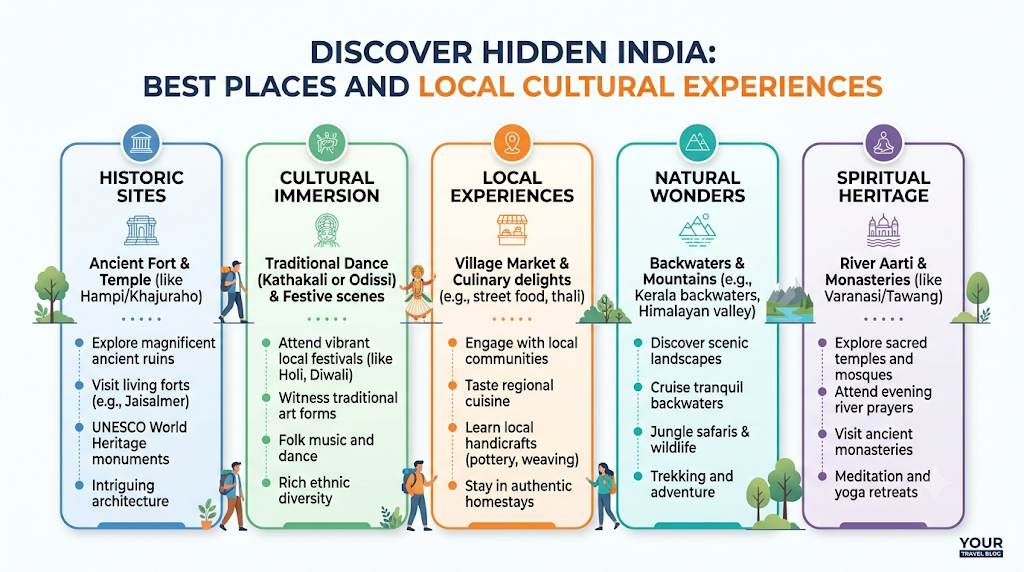
India’s cultural significance is unparalleled, acting as the birthplace of major world religions, yoga, and complex philosophical systems. Its historical architecture spans thousands of years, from the rock-cut caves of Ajanta and Ellora to the marble grandeur of Mughal architecture and the sprawling living forts of Rajasthan.
Beyond monuments, the tourism value of India lies in its living heritage. The country hosts vibrant festivals that paint entire cities in color, centuries-old handicraft traditions preserved by rural artisans, and an evolutionary culinary scene. Choosing India means choosing an active, immersive travel experience that shifts your perspective on community, hospitality, and life itself.
Destination Overview
Geographically, India is bounded by the snow-capped Himalayan ranges in the north, fertile river plains in the center, arid deserts in the west, and thousands of miles of tropical coastline along the Arabian Sea and the Indian Ocean. This geographic diversity creates vast climatic variations, ranging from alpine tundra to equatorial wetlands.
The local culture is a mosaic of languages, traditional clothing, and customs that change every few hundred kilometers. Understanding this variance is crucial for travel planning. Respectful attire at historical monuments, a willingness to slow down for regional festivals, and recognizing local eco-tourism efforts ensure a deeply rewarding and friction-free journey across the subcontinent.
Top Attractions
- The Taj Mahal (Agra): A sublime monument to love and a UNESCO World Heritage site, displaying unparalleled white marble inlay craftsmanship.
- Jaipur’s Amer Fort and Hawa Mahal (Rajasthan): The core of the Golden Triangle, showcasing royal Rajput architecture and pastel pink city streets.
- The Backwaters of Alappuzha (Kerala): A serene network of interconnected canals, lakes, and lagoons bordered by coconut palms, best explored via traditional houseboats.
- Varanasi’s Ganga Ghats (Uttar Pradesh): One of the oldest continuously inhabited cities in the world, offering deep spiritual resonance during evening Aarti ceremonies.
- Hampi Ruins (Karnataka): The surreal, boulder-strewn remnants of the historic Vijayanagara Empire, a haven for history buffs and architecture enthusiasts.
- Ziro Valley (Arunachal Pradesh): A lush, high-altitude valley home to the unique Apatani tribe, representing India’s rich indigenous heritage and eco-tourism potential.
Mandatory Comparison Table #1: Attraction Comparison
| Attraction | Famous For | Ideal Duration | Best Season |
| Taj Mahal | Mughal Architecture & History | Half Day | October to March |
| Amer Fort | Royal Heritage & Viewpoints | 4 Hours | November to February |
| Kerala Backwaters | Houseboat Cruises & Serenity | 1–2 Days | September to March |
| Varanasi Ghats | Spiritual Rituals & Photography | 2–3 Days | October to February |
| Hampi Ruins | Ancient Architecture & Bouldering | 3 Days | November to February |
| Ziro Valley | Tribal Culture & Music Festivals | 3–4 Days | March to October |
Things to Do in India
Immersing yourself in India means looking past standard sightseeing and actively seeking local experiences. Spend an afternoon browsing bustling local spice markets like Khari Baoli in Old Delhi, or capture the golden hour over the sand dunes of Jaisalmer.
Food experiences should be high on your list; taking a regional cooking class in a homestay uncovers the complex balancing of spices that defines authentic local cuisine. For nature enthusiasts, embarking on dawn wildlife safaris in Ranthambore or tracking the elusive snow leopard in Spiti Valley provides thrilling encounters with India’s diverse fauna.
Best Time to Visit India
- Winter (October to March): The absolute peak season for most of the country. Temperatures are pleasant across Rajasthan, the central plains, and South India, making it perfect for heritage sightseeing and beach holidays.
- Summer (April to June): High temperatures grip the plains, but this is the prime window for high-altitude trekking in Ladakh, Spiti, and northern hill stations like Shimla and Manali.
- Monsoon (July to September): Heavy rainfall revitalizes the western ghats, transforming places like Munnar and Goa into lush green paradises. While trekking can be risky, it’s ideal for traditional Ayurvedic treatments in Kerala.
Mandatory Comparison Table #2: Season-Wise Travel Breakdown
| Season | Weather | Crowd Level | Travel Experience |
| Winter | Cool, dry, pleasant | Very High | Ideal for all sightseeing and cultural festivals. |
| Summer | Hot in plains; cool in mountains | Moderate | Best for Himalayan escapes and wildlife spotting. |
| Monsoon | Humid, heavy downpours | Low | Lush green landscapes; excellent for budget travelers. |
How to Reach
- By Air: Major international gateways include Delhi (DEL), Mumbai (BOM), Bengaluru (BLR), and Chennai (MAA), connecting India globally.
- By Train: The Indian Railways network is massive and cost-effective. Booking sleeper or AC classes well in advance is essential for long-distance travel.
- By Road: An expanding network of expressways connects major hubs. For weekend getaways, inter-state AC buses and private cabs are widely accessible.
- Local Transportation: Auto-rickshaws, cycle-rickshaws, and app-based cabs (like Ola and Uber) dominate urban spaces. Metro networks in cities like Delhi and Mumbai offer quick, traffic-free transits.
Suggested India Travel Itinerary
2-Day Express Itinerary (The Golden Triangle Snapshot)
- Day 1: Arrive in Delhi. Tour Old Delhi’s Chandni Chowk via rickshaw, visit the Red Fort, and stop by Humayun’s Tomb.
- Day 2: Early morning drive to Agra. Witness the Taj Mahal at sunrise, explore Agra Fort, and return to Delhi by night.
3-Day Heritage & Wellness Break
- Day 1: Fly into Dehradun and head to Rishikesh. Attend the evening Ganga Aarti at Parmarth Niketan.
- Day 2: Participate in an early morning yoga session, visit the Beatles Ashram, and try cafe-hopping by the Laxman Jhula.
- Day 3: Take an easy nature trail walk or try white-water rafting before departing.
5-Day Golden Triangle & Royal Rajasthan
- Day 1–2: Cover Delhi and Agra’s iconic monuments.
- Day 3: Drive to Jaipur via the stepwell of Abhaneri. Visit the glowing Jal Mahal at sunset.
- Day 4: Explore Amer Fort, City Palace, and shop for local textiles in Johari Bazaar.
- Day 5: Return to Delhi or catch a domestic connection.
7-Day South India Cultural and Nature Trail
- Day 1–2: Arrive in Kochi. See the Chinese Fishing Nets, explore Mattancherry Palace, and watch a Kathakali dance performance.
- Day 3–4: Drive up to Munnar. Trek through green tea plantations and visit the Eravikulam National Park.
- Day 5–6: Travel to Alappuzha. Board a traditional overnight houseboat cruise through the peaceful backwaters.
- Day 7: Head back to Kochi for your departure flight.
Where to Stay
- Hotels: Range from international luxury brands in major metros to character-rich boutique hotels.
- Best Homestays in India: Run by local families, these offer an authentic look into regional life, homemade meals, and invaluable insider tips.
- Resorts: Ideal for wellness retreats, jungle safaris, and beachside relaxation in places like Goa and Kerala.
- Budget Stays & Hostels: Vibrant, community-focused spaces perfect for solo travelers and backpackers looking to network.
Optional Comparison Table #3: Accommodation Matrix
| Accommodation Type | Budget | Experience | Best For |
| Hostels | $8 – $15 / night | Social, minimalist, fast Wi-Fi | Solo travelers & Backpackers |
| Homestays | $20 – $50 / night | Authentic, home-cooked food, cultural | Cultural immersion seekers |
| Heritage Hotels | $70 – $200+ / night | Royal treatment, historic architecture | Couples & Families |
Local Food to Try
Indian food is intensely regional. In the north, rich gravies, tandoori breads, and street foods like Chole Bhature dominate. Moving south, the cuisine transforms into light, fermented rice batters, yielding crispy Dosas and fluffy Idlis served with coconut chutneys and tangy Sambar.
Coastal areas offer fresh, coconut-infused fish curries and tangy seafood preparations. Street food stalls are structural pillars of the local culture—sampling savory Pani Puri in Mumbai or sweet Jalebis in Varanasi gives you a taste of daily community life.
Local Tour Guides in India
Navigating monuments with complex histories becomes a much richer experience with an expert by your side. Hiring local tour guides in India helps you look past standard tourist paths to uncover hidden archways, local legends, and lesser-known historical context.
Local guides also break down language barriers and assist you in interacting respectfully with resident communities. Utilizing trustworthy planning resources like HolidayLandmark makes finding verified, community-approved local guides straightforward, giving you peace of mind on the road.
Cultural Experiences
To truly experience India, try to align your travel dates with its major festivals, like the illuminating lights of Diwali or the joyous colors of Holi. Beyond festivals, explore traditional art forms by watching a classical dance performance like Bharatanatyam or Kathakali.
Visiting rural craft centers where master weavers create delicate Pashmina shawls or paint intricate Madhubani art directly supports long-standing heritage lineages and provides unmatched insight into the country’s artistic roots.
Adventure Activities in India
- Trekking: Traverse challenging routes like the Chadar Frozen River Trek in Ladakh or scenic trails like the Valley of Flowers in Uttarakhand.
- White-Water Rafting: Navigate the thrilling rapids of the Ganges in Rishikesh or the Indus River in Ladakh.
- Wildlife Safaris: Spot royal Bengal tigers in Kanha or Bandhavgarh national parks.
- Safety Recommendations: Always check your operator’s certifications, confirm safety gear conditions, and ensure your travel insurance covers high-altitude adventure sports.
Village Tourism in India
Village tourism in India offers a refreshing alternative to crowded cities. Destinations like Hodka in Gujarat or Pipli in Odisha invite travelers to step directly into rural life.
Staying in community-led eco-lodges, participating in agricultural activities, and sharing traditional meals directly empowers rural economies. It encourages sustainable tourism practices that protect vulnerable regional ecosystems and preserve indigenous community arts.
Pilgrimage & Spiritual Experiences
For centuries, travelers have sought out pilgrimage tours in India for introspection and spiritual discovery. Spiritual routes like the sacred Char Dham Yatra in the Himalayas, the ancient temples of Madurai and Thanjavur in the south, or peaceful Buddhist monasteries in Dharamshala and Bodh Gaya offer spaces for quiet reflection. These destinations welcome all respectful visitors, regardless of personal faith, providing a window into India’s deep spiritual traditions.
Budget & Travel Costs
| Expense Category | Budget (INR / Day) | Mid-Range (INR / Day) | Premium (INR / Day) |
| Accommodation | ₹600 – ₹1,200 | ₹2,500 – ₹6,000 | ₹12,000+ |
| Food & Meals | ₹300 – ₹600 | ₹1,200 – ₹2,500 | ₹4,500+ |
| Transportation | ₹200 – ₹500 (Metros/Buses) | ₹1,500 – ₹3,500 (Cabs/AC Train) | ₹6,000+ (Private Drivers) |
| Activities & Entry Fees | ₹100 – ₹500 | ₹1,000 – ₹2,500 | ₹4,000+ |
| Shopping | ₹200 – ₹700 | ₹1,500 – ₹4,000 | ₹8,000+ |
Safety & Travel Tips
- Local Etiquette: Always remove your shoes before entering temples or local homes, and dress modestly, covering your shoulders and knees.
- Water & Food Safety: Stick to bottled or filtered water, and choose busy street food stalls with high turnover to ensure freshness.
- Solo Traveler Advice: Keep your smartphone charged, download offline maps, use reputable pre-paid transit options, and try to arrive at new destinations before dark.
Responsible & Sustainable Tourism
Being a responsible traveler in India means making mindful choices that protect local environments. Say no to single-use plastics by carrying a reusable water bottle and filtration straw.
Always ask for permission before taking photographs of local people, support local artisans directly rather than buying mass-produced souvenirs, and pick low-impact accommodation options like eco-certified lodges or community-based homestays.
How HolidayLandmark Helps Travelers
Planning an expansive trip across India requires reliable, practical insights. HolidayLandmark acts as a helpful digital compass, simplifying destination discovery with detailed, real-world travel itineraries. Whether you are looking for trusted local tour guides in India, searching for authentic, family-run homestays, exploring village tourism, or organizing pilgrimage tours and adventure activities, the platform connects you directly with practical local resources. It helps you travel with confidence while making sure your journeys support the communities you visit.
FAQ Section
Q1: What is the best time to visit India for a first-time traveler?
A1: The winter months from October to March offer pleasant, cool weather across most of the country, making it the most comfortable time for heritage sightseeing and outdoor activities.
Q2: Is it safe for solo female travelers to explore India?
A2: Yes, millions of solo females travel through India successfully. Staying alert, dressing respectfully, using pre-arranged transport, and avoiding late-night arrivals help ensure a safe journey.
Q3: How do I book train tickets ahead of my trip to India?
A3: Foreign travelers can register on the official IRCTC website using an international credit card or book conveniently through authorized travel platforms well in advance.
Q4: Do I need a visa to enter India?
A4: Most international passport holders require a visa. India offers a convenient e-Tourist Visa (e-Visa) facility online for citizens of many countries, which should be sorted prior to departure.
Q5: What are the benefits of choosing homestays over standard hotels?
A5: Homestays offer an intimate glimpse into local life, delicious home-cooked meals, a lower carbon footprint, and invaluable insider tips shared directly by your host family.
Q6: Is street food safe to eat in India?
A6: Yes, but choose wisely. Eat at stalls with high local footfall, ensure your food is prepared fresh and piping hot in front of you, and stick to filtered or bottled water.
Q7: What should I wear when visiting religious and spiritual sites?
A7: Modest clothing is required. Ensure your shoulders and knees are fully covered, and be prepared to remove your footwear before entering any sacred space.
Q8: How can I experience authentic village tourism in India?
A8: Look for community-led eco-tourism initiatives in states like Odisha, Gujarat, or Himachal Pradesh that connect you directly with rural stays and artisans.
Q9: What language is most widely spoken by locals in India?
A9: While Hindi is widely spoken across northern and central regions, English is commonly understood in hotels, major transit points, urban areas, and throughout South India.
Q10: Can I customize my travel itineraries for adventure sports?
A10: Absolutely. Regions like Rishikesh and Ladakh offer customizable packages for white-water rafting, paragliding, and trekking through certified, local adventure operators.
Conclusion
India is a destination that rewards thoughtful, intentional planning. From the snow-capped peaks of the Himalayas down to the tranquil, palm-fringed backwaters of Kerala, the country invites you to step out of your comfort zone and immerse yourself in a living mosaic of history and culture. By taking the time to understand regional seasons, tasting local food mindfully, choosing community-run homestays, and partnering with verified local guides, you can avoid common travel stressors and connect authentically with the destinations you visit. Prioritizing responsible, sustainable tourism ensures that these historic monuments, vibrant cultures, and delicate natural ecosystems remain protected for future generations of adventurers.