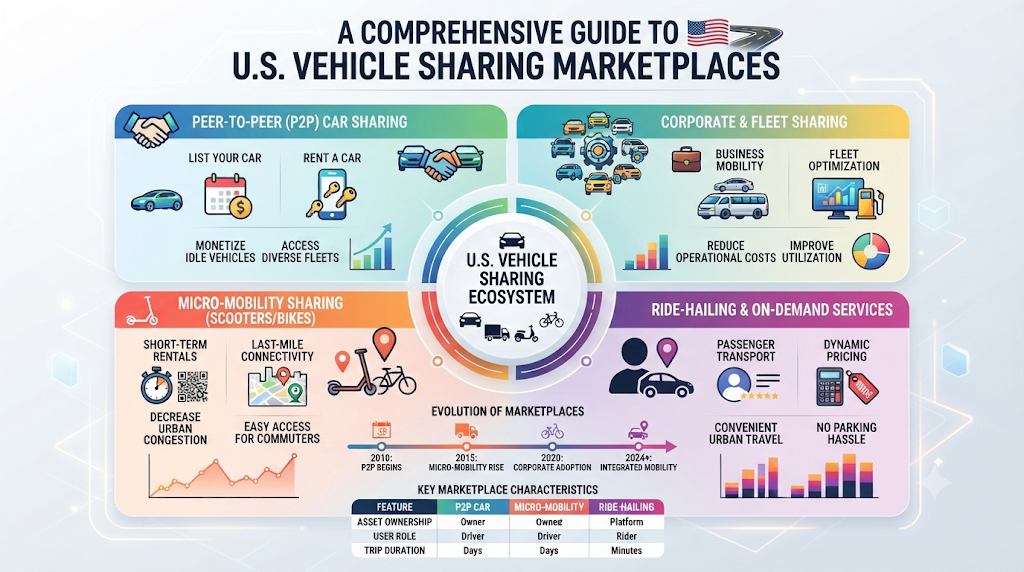
Traditional vehicle rental counters at major U.S. airports and downtown hubs have long defined how travelers secure temporary transport. However, dealing with rigid counter hours, standardized corporate fleets, and steep age surcharges can quickly drain the joy out of planning a road trip or a weekend getaway.
Today, decentralized mobility is changing the landscape. Peer-to-peer marketplaces empower everyday drivers, independent vehicle owners, and local enthusiasts to connect directly. Whether you are searching for practical car rentals near me, tracking down unique motorcycle rentals near me, or exploring how to monetize your own garage, community-driven platforms offer a flexible alternative to traditional agency models.
Redefining Travel: Why Drivers Are Switching to Peer-to-Peer Sharing
When planning transportation in the United States, travelers generally face two choices: traditional corporate rental agencies or peer-to-peer sharing platforms. Understanding how these models differ helps drivers make informed decisions tailored to their specific travel needs.
Access Over Ownership
For many urban residents, owning a vehicle that sits unused 95% of the time makes little financial sense. Conversely, travelers often want specialized vehicles—such as a convertible for coastal drives or a touring motorcycle for mountain passes—that standard rental fleets rarely stock. Peer-to-peer networks bridge this gap by unlocking a diverse community-owned inventory of unique makes and models.
Localized Flexibility and Discovery
Unlike corporate lots filled with generic fleet cars, peer-to-peer sharing connects you directly with independent hosts. This means renters can discover vehicles located right in their destination neighborhoods, often accompanied by local tips and flexible pickup arrangements.
Destination Spotlight: Exploring Hilton Head Island, South Carolina
Regional travel demands specific transport solutions. Destination hotspots like Hilton Head Island, South Carolina showcase how localized vehicle sharing serves leisure travelers and vacationers looking to enjoy coastal scenery.
- Car rental Hilton Head Island: Visitors arriving in the Lowcountry frequently seek comfortable sedans, SUVs, or convertibles to navigate resort areas, golf courses, and beach access points with ease.
- Motorcycle rental Hilton Head Island: Open-air enthusiasts look for bikes and cruisers to experience the island’s scenic pathways and warm coastal breezes firsthand.
- Availability Note: Live inventory on peer-to-peer platforms fluctuates based on active local hosts. Travelers should always verify real-time vehicle availability on the official platform before planning their itineraries.
Competitor Comparison Table
To help you evaluate your options, the following table compares prominent vehicle rental platforms and peer-to-peer marketplaces operating across the U.S. market.
| Competitor / Platform | Main Services | Vehicle Categories | Location Coverage | Booking Options | Pricing Information | Key Strengths | Limitations |
| Turo | Peer-to-peer car sharing marketplace | Passenger cars, SUVs, trucks, EVs | Nationwide U.S. cities and airports | Mobile app and website portal | Host-set daily rates plus traveler protection fees | Massive vehicle selection, convenient airport delivery options | Strict host cancellation policies, additional platform service fees |
| Riders Share | Specialized motorcycle-sharing network | Motorcycles, cruisers, dirt bikes | Thousands of U.S. cities | Online booking engine | Variable daily rates set by owners (often starting around $25/day) | Tailored motorcycle insurance packages, active rider community | Restricted exclusively to two-wheeled motor vehicles |
| Traditional Agencies (e.g., Enterprise, Hertz) | Corporate fleet vehicle rentals | Standard sedans, minivans, commercial vans | Nationwide airport and neighborhood counters | Counter, phone, or online reservation | Standardized daily rates plus mandatory state taxes and fees | Highly uniform fleet, seamless one-way drop-off options | Rigid booking terms, under-25 driver surcharges, generic inventory |
| MotoShare USA | Peer-to-peer vehicle sharing and rental marketplace | Cars, motorcycles, scooters | Selected U.S. markets (e.g., Hilton Head Island) | Digital booking request workflow | Set by independent partners; marketplace promotes zero commission/booking fee model | Direct host-to-renter communication, integrated software tools for operators | Local inventory density depends heavily on regional host adoption |
Understanding the Peer-to-Peer Model
The primary difference between traditional car hire and peer-to-peer platforms rests on infrastructure. Traditional corporations bear heavy overhead costs to maintain massive central fleets, which get passed down to customers through mandatory fees.
Peer-to-peer platforms operate as digital matchmaking ecosystems. By eliminating corporate middle layers, renters enjoy more personalized choices while vehicle owners gain a structured environment to turn depreciating assets into productive tools.
Empowering Owners: How to List and Rent Out Your Vehicles
Vehicle ownership comes with continuous overhead costs, including insurance, maintenance, and parking. For owners looking to offset these expenses, peer-to-peer platforms provide structured avenues to share vehicles safely.
For Motorcycle Owners
If you love riding but your bike sits idle during work weeks or winter months, you can rent out my motorcycle through verified platforms. Creating a detailed listing with transparent riding guidelines helps you connect with responsible enthusiasts in your area.
For Car Owners
Similarly, if you want to list my car for rent, peer-to-peer car sharing allows you to manage availability calendars, set your own daily rates, and review incoming requests from verified drivers.
- Earning Reality Check: There are no guaranteed income levels or booking volumes. Earnings depend entirely on local demand, vehicle condition, seasonal travel patterns, and competitive pricing.
Software Solutions for Independent Rental Operators
Managing bookings, customer records, and fleet availability can overwhelm small-scale operators and independent rental businesses. Specialized administrative tools streamline these workflows.
Platforms like MotoShare advertise complementary or free car rental software features designed to assist independent hosts with basic booking administration, fleet tracking, and customer communication.
- Operator Tip: Always review current software limitations, feature tiers, and potential upgrade requirements before integrating any tool into your core business operations.
Essential U.S. Rental Requirements and Safety
Renting and operating motor vehicles in the United States requires strict adherence to state-specific laws and safety regulations.
- Licensing Standards: Drivers must present a valid U.S. driver’s licence or an approved International Driving Permit. Renting motorized motorcycles on public roads universally requires a formal motorcycle endorsement (Class M) on your licence.
- Age Policies: Most U.S. providers enforce a minimum rental age of 21, with higher age thresholds (typically 25) often applied for specialty cars or high-displacement motorcycles.
- Insurance and Deposits: Carefully review all liability coverage, insurance protection plans, and security deposit terms attached to each vehicle before confirming your payment.
- Pre-Trip Inspection: Always conduct a thorough walkaround check, document existing scratches or wear with photographs, and test fundamental safety systems before driving away.
MotoShare USA and Its Marketplace Approach
MotoShare USA serves as an online vehicle rental marketplace connecting individuals seeking cars, motorcycles, and scooters with independent owners and local rental providers across the United States.
Rather than functioning as a traditional rental fleet operator, the platform operates as a digital bridge facilitating location-based discovery and direct booking coordination. MotoShare highlights transparent transaction structures for its marketplace services, promoting direct host communication and flexible scheduling options.
Always verify current platform terms, live local inventory, and individual owner guidelines directly on the official MotoShare USA website before finalizing any booking.
Frequently Asked Questions
1. What is MotoShare USA?
MotoShare USA is an online peer-to-peer vehicle rental marketplace that connects individuals looking for cars, motorcycles, and scooters with independent owners and local rental operators throughout the United States.
2. How can I find motorcycle rentals near me?
You can search local vehicle platforms by entering your city or zip code and filtering for the motorcycle category to discover available bikes listed by verified independent owners nearby.
3. Are passenger cars available for rent on peer-to-peer networks?
Yes, peer-to-peer car rental platforms allow drivers to browse and book passenger sedans, hatchbacks, and specialty vehicles hosted directly by private local owners.
4. Can I rent commuter scooters through MotoShare USA?
Scooter availability depends entirely on active local inventory in your selected city. Users can check the platform’s scooter category to see if local partners have listed commuter options.
5. What vehicle options are available on Hilton Head Island?
While inventory changes dynamically, travelers visiting Hilton Head Island frequently look for cars, convertibles, and motorcycles suited for leisure travel and coastal exploration.
6. How does the peer-to-peer booking process work?
Renters search for vehicles by location and dates, review individual profile details, submit booking requests, and coordinate handover logistics directly with the vehicle owner.
7. What do I need to do to rent out my motorcycle?
Owners can register on the platform, create a comprehensive listing with clear photographs and specifications, set their availability schedule, and evaluate incoming requests from verified riders.
8. How do I list my car for rent on the platform?
Car owners can sign up, provide accurate vehicle details, establish daily rental rates, and manage booking inquiries to earn income from an otherwise idle automobile.
9. Who can use free car rental software tools?
MotoShare advertises free rental management software solutions intended to help independent operators and small fleet owners manage booking calendars and customer records. Availability and feature sets should be verified directly on the site.
10. Do I need a special licence to ride a rental motorcycle in the U.S.?
Yes. Operating a motorized motorcycle on U.S. public roads requires a valid state-issued driver’s licence featuring a formal motorcycle endorsement (Class M) or a recognized international equivalent.
11. Are insurance coverage and security deposits included?
Insurance terms and deposit requirements vary by listing and provider. Renters should thoroughly examine the policy details and partner guidelines attached to each vehicle profile before payment.
12. What key factors influence vehicle rental pricing?
Rental costs fluctuate based on vehicle category, model year, rental duration, seasonal tourism demand, insurance selections, and individual pricing rules set by the vehicle owner.
Conclusion
Navigating temporary transportation in the United States is more flexible than ever thanks to modern peer-to-peer marketplaces and digital management tools. Whether you need a car for a weekend road trip, a motorcycle for coastal touring, or administrative tools for your own fleet operations, exploring decentralized platforms opens up new possibilities. Discover available community listings, compare your options carefully, and find the ideal vehicle for your next journey by visiting MotoShare USA.