Introduction: Why Certified DevOps Engineer Matters Right Now
Software delivery has changed completely in recent years. Companies no longer release software once every few months. Today, applications are updated daily or even multiple times a day. Along with speed, organizations now expect high reliability, strong security, and controlled cloud costs. All of this must happen together.
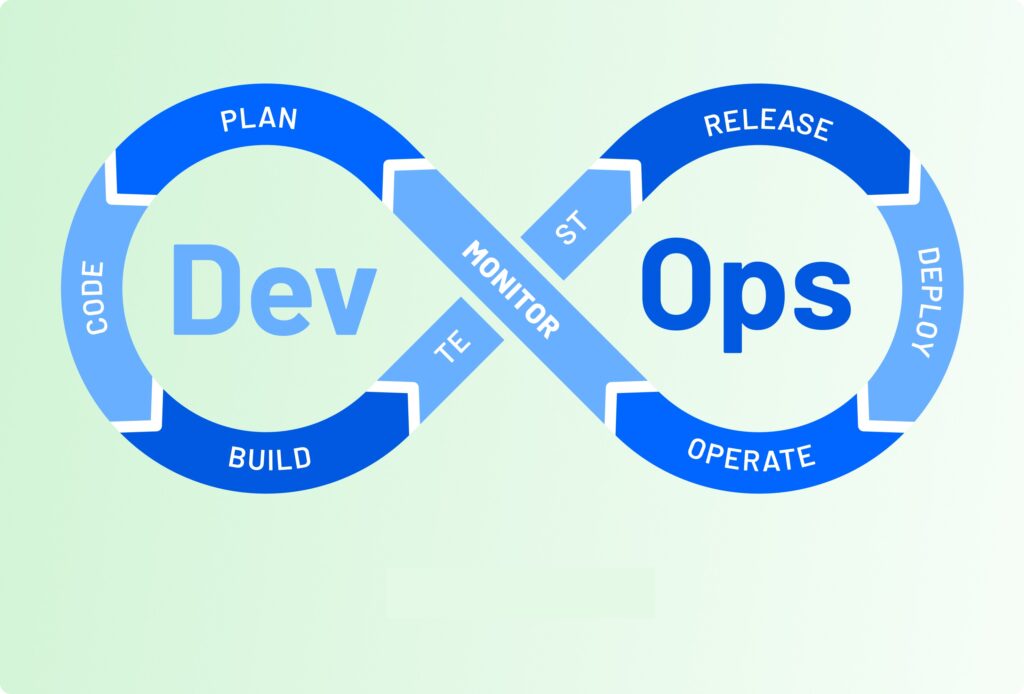
Because of this shift, DevOps is no longer optional. It has become a core capability for modern engineering teams. Engineers are expected to understand not only how to write code, but also how that code is built, tested, deployed, monitored, and maintained in production.
The Certified DevOps Engineer (CDE) certification exists to validate these real-world skills. It confirms that a professional understands modern DevOps practices and can apply them in practical environments. For both engineers and managers, CDE has become a strong benchmark for DevOps readiness.
What Is Certified DevOps Engineer (CDE)?
The Certified DevOps Engineer (CDE) is a professional certification designed to validate practical DevOps engineering knowledge used in real software delivery environments. It focuses on how DevOps works in day-to-day engineering, not just on theory or definitions.
This certification validates understanding of continuous integration and delivery, infrastructure automation, deployment workflows, monitoring practices, and cross-team collaboration. It ensures that a professional can work across the full software lifecycle, from code commit to production stability.
Provider: DevOpsSchool
Why Certified DevOps Engineer Is Important for Engineers and Managers
For engineers, modern roles demand much more than coding. Engineers are expected to automate workflows, manage deployments, monitor applications, and respond to failures. The CDE certification helps engineers validate these skills in a structured way and builds confidence in handling production responsibilities.
For managers, DevOps understanding is equally important. Managers must plan releases, reduce incidents, improve delivery speed, and manage operational risk. CDE helps managers understand DevOps workflows clearly, communicate better with technical teams, and make informed decisions about delivery and operations.
Who Should Take the Certified DevOps Engineer Certification
The Certified DevOps Engineer certification is suitable for professionals who work close to software delivery and production systems. This includes software engineers involved in deployments, DevOps engineers seeking formal validation, system administrators moving toward automation, cloud engineers expanding into CI/CD, and platform or infrastructure engineers.
Engineering managers and technical leads can also benefit, as the certification improves understanding of DevOps processes and delivery pipelines. Basic knowledge of Linux, Git, and scripting is recommended, but advanced programming skills are not required.
Certified DevOps Engineer: Certification Deep Dive
What It Is
CDE is a professional-level certification that validates hands-on DevOps engineering skills used in real projects and production environments.
Who Should Take It
It is best suited for professionals with one to five years of experience who work with deployments, automation, or infrastructure.
Skills You’ll Gain
Certified DevOps Engineer covers CI/CD pipeline creation, infrastructure as code concepts, containerization basics, configuration management, monitoring and logging practices, and release and rollback strategies.
Real-World Projects You Can Do After Certification
After completing CDE, professionals can design end-to-end CI/CD pipelines, automate infrastructure provisioning, deploy containerized applications, implement monitoring dashboards, manage multiple environments, and handle deployment failures confidently.
Preparation Plan for Certified DevOps Engineer
A fast-track preparation of 7–14 days is suitable for experienced professionals already working in DevOps or cloud roles. This focuses on revision and practical scenarios.
A 30-day preparation plan works best for most candidates and includes CI/CD automation, infrastructure basics, container deployments, and monitoring fundamentals.
A 60-day foundational plan is ideal for professionals transitioning into DevOps. It covers core DevOps concepts, cloud basics, hands-on labs, and failure recovery practices.
Certification Summary Table – Certified DevOps Engineer
| Aspect | Details |
|---|---|
| Certification Name | Certified DevOps Engineer (CDE) |
| Track | DevOps |
| Level | Professional |
| Who It’s For | Software Engineers, DevOps Engineers, Cloud Engineers, Platform Engineers, Tech Leads |
| Recommended Experience | 1–5 years |
| Prerequisites | Basic Linux and Git knowledge |
| Core Skills Covered | CI/CD, Infrastructure as Code, Containers, Monitoring |
| Practical Focus | High |
| Recommended Order | First DevOps certification |
| Global Relevance | Yes |
| Official Provider | DevOpsSchool |
Choose Your Path After Certified DevOps Engineer
After completing CDE, professionals can choose different growth paths based on interest and role. The DevOps path focuses on advanced automation and platform engineering. DevSecOps adds security automation and compliance into pipelines. SRE focuses on reliability, monitoring, and incident management. AIOps and MLOps introduce intelligent automation and machine learning workflows. DataOps applies DevOps principles to data pipelines, while FinOps focuses on cloud cost optimization and financial accountability.
Role → Recommended Certifications Mapping
| Role | Recommended Certifications |
|---|---|
| DevOps Engineer | CDE → Advanced DevOps |
| SRE | CDE → SRE |
| Platform Engineer | CDE → Platform Engineering |
| Cloud Engineer | CDE → Cloud Architecture |
| Security Engineer | CDE → DevSecOps |
| Data Engineer | CDE → DataOps |
| FinOps Practitioner | CDE → FinOps |
| Engineering Manager | CDE → DevOps Management |
Next Certifications to Take After CDE
Professionals who want to go deeper in DevOps can move toward advanced DevOps or architecture certifications. Those who want to expand into related areas often choose DevSecOps or SRE certifications. Professionals aiming for leadership roles usually move into DevOps management or platform strategy programs. The right path depends on whether the goal is technical specialization, cross-functional expertise, or leadership growth.
Institutions Supporting CDE Training and Certification
Choosing the right institution is very important when preparing for the Certified DevOps Engineer (CDE) certification. A good institution does not just teach tools. It helps learners understand real DevOps workflows, production challenges, and industry expectations.
Below are well-known institutions that support training + guidance + certification preparation for CDE and related tracks.
DevOpsSchool
DevOpsSchool is one of the most recognized institutions for DevOps and cloud-native training. It focuses heavily on practical, hands-on learning rather than theory-only teaching.
Learners are guided through:
- Real CI/CD pipeline design
- Infrastructure automation concepts
- Monitoring, deployment, and release practices
DevOpsSchool aligns its training closely with the Certified DevOps Engineer (CDE) certification structure, making it suitable for working professionals and teams.
Cotocus
Cotocus is known for its enterprise consulting and engineering services, along with professional training support. It helps learners understand how DevOps is applied in large-scale and real business environments.
Cotocus focuses on:
- DevOps transformation practices
- Enterprise automation strategies
- Practical problem-solving in production systems
This makes it useful for professionals who want to see DevOps beyond labs and into real organizational use.
ScmGalaxy
ScmGalaxy has been part of the DevOps education ecosystem for many years. It provides structured learning programs around DevOps, SCM, and automation practices.
Its strength lies in:
- Step-by-step learning paths
- Concept clarity for beginners
- Gradual transition from theory to practice
ScmGalaxy is helpful for learners who want a strong foundational understanding before moving into advanced DevOps roles.
BestDevOps
BestDevOps focuses on skill-oriented DevOps training designed for professionals who want quick, practical outcomes.
Training emphasizes:
- Day-to-day DevOps tasks
- Tool usage in real scenarios
- Practical automation use cases
It is suitable for learners who prefer hands-on execution and role-based learning.
DevSecOpsSchool
DevSecOpsSchool specializes in integrating security into DevOps workflows. It helps learners understand how security can be automated and embedded into CI/CD pipelines.
Key focus areas include:
- Secure pipeline design
- Vulnerability scanning automation
- Compliance and policy practices
This institution is ideal for professionals who want to move from DevOps into DevSecOps after CDE.
SRESchool
SRESchool focuses on reliability and production stability. It teaches how systems should be designed, monitored, and operated to minimize failures.
Learners gain knowledge in:
- Reliability engineering concepts
- Incident management practices
- Monitoring and alerting strategies
This institution supports professionals planning to move from DevOps into Site Reliability Engineering (SRE) roles.
AIOpsSchool
AIOpsSchool focuses on intelligent and automated operations using analytics and machine learning concepts.
Training covers:
- Automation at scale
- Intelligent monitoring concepts
- Data-driven operations decision-making
It is useful for professionals who want to combine DevOps with AI-driven operations after completing CDE.
DataOpsSchool
DataOpsSchool supports professionals working with data pipelines and analytics platforms. It applies DevOps principles to data engineering workflows.
Key learning areas include:
- Automated data pipelines
- Data quality and reliability
- Faster analytics delivery
This institution is suitable for engineers moving toward DataOps roles.
FinOpsSchool
FinOpsSchool focuses on cloud cost management and financial accountability. It teaches how engineering and finance teams can work together.
Training helps learners understand:
- Cloud usage optimization
- Cost visibility and governance
- Financial decision-making in cloud environments
This path is ideal for professionals moving into FinOps and cloud cost optimization roles after CDE.
Frequently Asked Questions (12) – Certified DevOps Engineer (CDE)
1. Is the Certified DevOps Engineer (CDE) certification difficult?
The Certified DevOps Engineer certification is moderately difficult, not easy and not extreme.
It does not test you on deep theory or complex mathematics. Instead, it focuses on practical understanding of how DevOps works in real projects.
If you already work with:
- CI/CD pipelines
- Cloud or servers
- Automation or deployments
then the difficulty becomes manageable and logical.
For beginners, it may feel challenging at first, but with structured preparation, it becomes achievable.
2. How much time is required to prepare for CDE?
Preparation time depends on your background:
- 7–14 days → If you already work as a DevOps or Cloud Engineer
- 30 days → If you have basic DevOps exposure but want confidence
- 60 days → If you are moving from development, testing, or system admin roles
The certification is designed so that working professionals can prepare without quitting their job.
3. What are the prerequisites for Certified DevOps Engineer?
There are no strict mandatory prerequisites, but some basic knowledge is strongly recommended:
- Basic Linux commands
- Git and version control basics
- Understanding of how applications are deployed
- Very basic scripting or automation exposure
You do not need advanced coding or deep cloud architecture knowledge to start.
4. Is coding required for CDE certification?
Heavy coding is not required.
However, you should be comfortable with:
- Reading scripts
- Writing simple automation logic
- Understanding configuration files
DevOps focuses more on automation thinking than software development-level coding.
5. Is Certified DevOps Engineer suitable for beginners?
CDE is not ideal for absolute beginners with zero IT experience.
It is best suited for:
- Engineers with 1–2 years of experience
- Professionals already exposed to production systems
Fresh graduates should first gain basic IT or software experience before attempting CDE.
6. Is the Certified DevOps Engineer certification globally valid?
Yes.
DevOps practices are globally standardized across industries and countries.
Companies in:
- India
- USA
- Europe
- Middle East
- Asia-Pacific
all follow similar DevOps workflows.
CDE focuses on practical DevOps principles, making it globally relevant.
7. Does Certified DevOps Engineer help in salary growth?
Yes, DevOps roles are among the highest-paying roles in IT today.
CDE helps because:
- It validates real DevOps skills
- It increases confidence in interviews
- It supports role transitions into DevOps
While certification alone does not guarantee salary hikes, combined with skills, it strongly improves career value.
8. Is Certified DevOps Engineer tool-specific?
No.
CDE is tool-agnostic.
It focuses on:
- DevOps workflows
- Automation concepts
- CI/CD principles
- Monitoring and reliability practices
This ensures that your knowledge remains future-proof, even if tools change.
Final Conclusion
The Certified DevOps Engineer (CDE) certification provides a clear and practical foundation for understanding how modern software systems are built, delivered, and operated in real-world environments. It helps engineers develop confidence in automation, deployment, monitoring, and collaboration, while enabling managers to better understand delivery workflows and operational challenges. By focusing on real execution rather than tool dependency, the certification remains relevant across industries and geographies. Whether you are strengthening your current DevOps role or preparing for advanced paths such as DevSecOps, SRE, Platform Engineering, or leadership, Certified DevOps Engineer serves as a strong starting point for long-term growth in today’s fast-moving software landscape.
I really appreciate how this post breaks down the preparation timelines based on experience levels. The distinction between a 7-14 day fast track for existing pros versus a 60-day plan for those transitioning is very practical. It’s also great to see the clear mapping of career paths post-CDE, especially the inclusion of newer fields like FinOps and AIOps, which are becoming critical as cloud costs and complexity rise.